
False Prophets, True Prophets
01-31-2021Weekly Reflection© J. S. Paluch CompanyIn Deuteronomy today we hear that God’s very words will fill the mouth of a true prophet, but a false prophet will, in a manner of speaking, put mere mortal words into God’s mouth. In Mark’s Gospel, we see Jesus teaching and healing as a true prophet, one filled with the authority of God’s own voice, the Holy One of God.
The whole history of our church is filled with both true and false prophets. But in today’s Gospel we learn that Jesus’ fame spread because he taught with authority; he wasn’t an authority because he was popular or famous. We also learn from him, in his desert temptation confrontations with Satan, that anyone can quote scripture, even against God’s purposes. And today we hear that his authority was not like that of the scribes, who held the official positions of religious authority in his day. Our work is to do our best to discern the true prophets in our midst, and to be true prophets as well. The psalmist tells us how to do this: by not hardening our hearts when God speaks. If we truly listen to God, it will be God’s very words filling our mouths.
A New Day Dawns
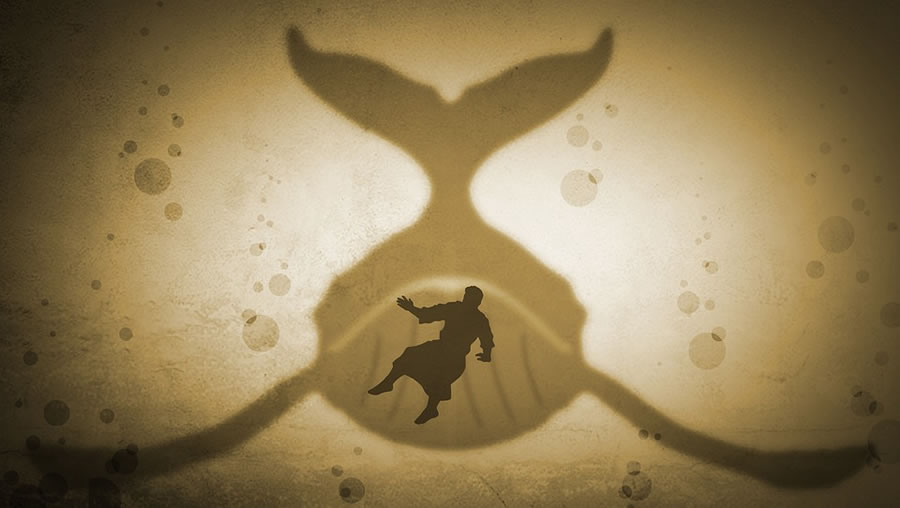
01-24-2021Weekly Reflection© J. S. Paluch CompanyToday we hear how Jonah, sent by God to warn the people, storms through the streets of Nineveh, scaring the citizens out of their wits. And it works! God has a change of heart, seeing “by their actions” how the people turn from evil (Jonah 3:10). A new day dawns.
Next we hear Paul telling the Corinthians, “The world in its present form is passing away” (1 Corinthians 7:31). He calls for a change of heart. Stopping short of telling them to stop carrying out their everyday activities, he urges them—rather mysteriously—to live “as though” they aren’t doing the things they are doing. A new day has dawned.
READ MORE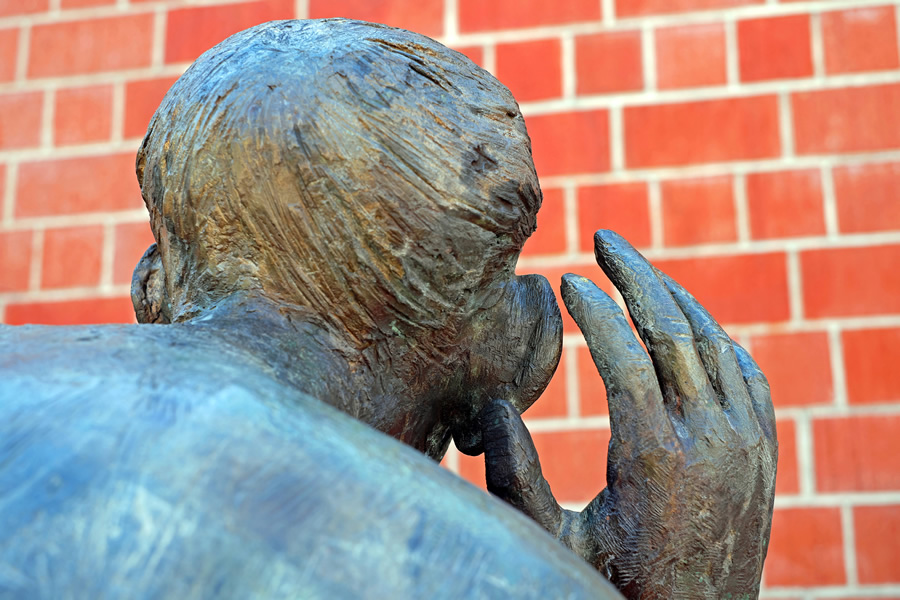
Speak Lord, We are Listening
01-17-2021Weekly ReflectionIn today’s first reading God keeps calling out in the night to a sleeping boy. Neither the boy, Samuel, nor his teacher, Eli, understands who is calling. But God’s persistence convinces them. Samuel is then ready—not ready yet to do anything, but ready to listen. “Speak, for your servant is listening” (1 Samuel 3:10).
In the Gospel Jesus is out teaching. Various people notice him and begin to gather around. They soon become disciples and, like the young Samuel, are ready—not ready yet to do anything, but ready to listen. “Speak,” they say, “we are listening.”
READ MORE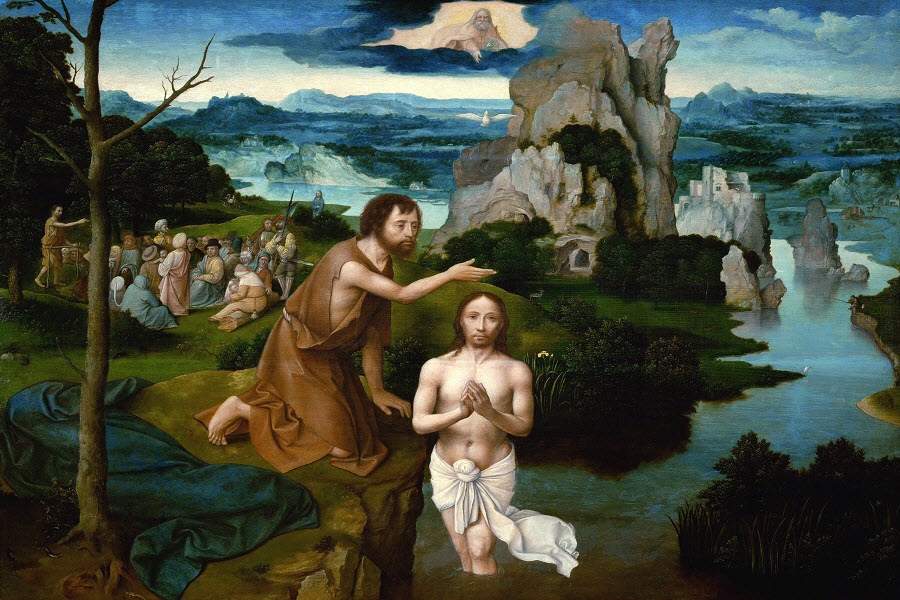
The Waters of Baptism
01-10-2021Weekly ReflectionWhen new sod is put in, it needs constant saturation with water. Landscapers say that this “knits” the sod to the soil. The same when a branch is grafted onto a tree: the poultice that joins them at the splice must be kept wet at all times. Water is the stuff that binds the very cells of our bodies together. No wonder religions throughout all times and cultures have used it so prominently. When Jesus stepped into the Jordan for baptism, he “knit” himself to what had come before him. By going to the Jordan, he made himself one with the people of Israel who had crossed it into their Promised Land. With John the Baptist, Christ wove himself into the prophetic tradition that heralded the coming reign of God. He had become fully human in the waters of Mary’s womb, and by partaking in the rite of the baptism of repentance, Jesus identified himself with our sinful, frail humanity. It is through the waters of baptism that Christ continues to graft new members onto his Body, the Church; through these waters we are cleansed from sin and filled with the promise of grace, given our destiny for eternal life. For us, as for Jesus, it is also the waters of baptism that inaugurate our mission to proclaim the Good News.

Promise Fulfilled
01-03-2021Weekly ReflectionIsaiah reminds the people of God that the land shall be restored to their possession, they shall rejoice to see their people return from the bondage of exile, and they shall be a light to the nations. In other words, through the people of Israel, the Savior shall come to all people who seek God with a sincere heart. This brings joy and the radiance of God’s glory to all the world and to all people everywhere. Through the fidelity of the people of God, and through God’s fidelity to them, all people shall become God’s children and rejoice in the fulfillment of God’s promise to Israel.
We are God's Holy Family
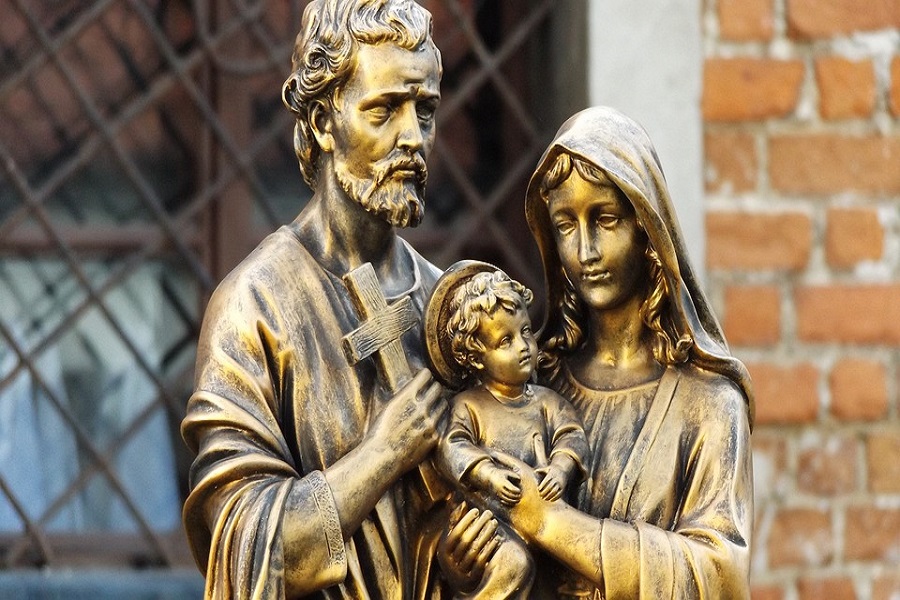
12-27-2020Weekly ReflectionThe scriptures of Israel are filled with many stories of barren couples who were miraculously granted the gift of children by God. Surely the best known among these is the first reading from today, from which Luke took inspiration when he recounted the miraculous birth of John the Baptist to Zechariah and Elizabeth, and the more miraculous birth of Jesus to Mary and Joseph. In each instance, we are given examples or role models of those who trusted in God. More than examples of those who trust, they are models of self-surrender.
READ MORE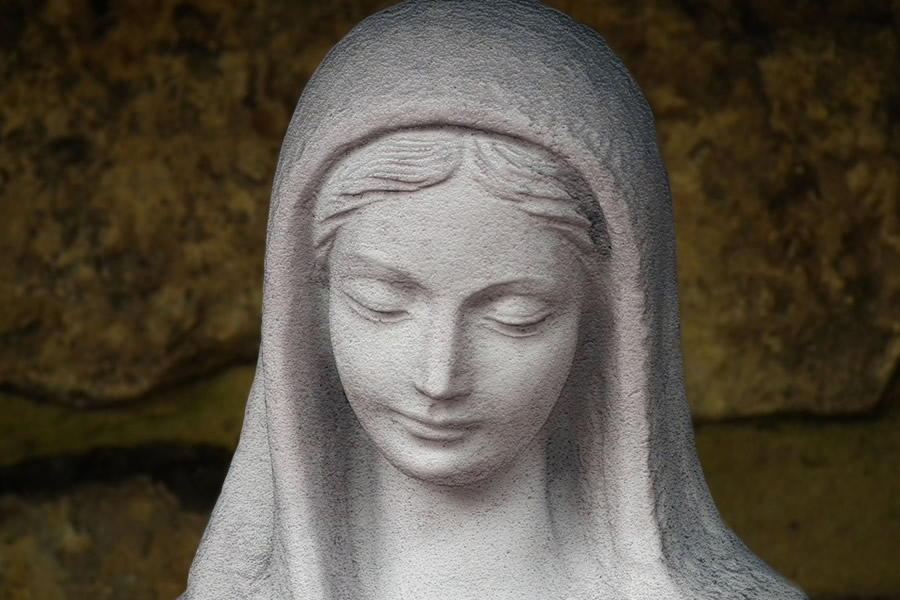
The Eternal God
12-20-2020Weekly ReflectionKing David wished that the ark of God might have a more permanent home. David may have envisioned something like the cedar palace where he resided. God had in mind something more: a throne where David’s descendants would rule for ever, a kingdom where Jews and Gentiles alike would be welcome.
Mary’s prayerful nature led to an even more disturbing message. She would conceive and bear a Son though she was not yet married. “How can this come about?” Mary wondered. “The Holy Spirit will come upon you,” she was told (Luke 1:35).
Mary’s acceptance of this difficult challenge ushered in this, the final age of God’s reign. What was once a secret known only by chosen people like King David and his descendants must now be made clear to all so that, as Saint Paul wrote to the Romans, we can be brought to the “obedience of faith” “according to the command of the eternal God” (Romans 16:26).
John the Baptist
12-13-2020Weekly ReflectionAt a school open house a woman could be overheard introducing her husband to some of the other parents. “Oh, Bill, I’d like you to meet Johnny’s father. And over here, this is Marie’s mom; you know, the little girl from our Ellen’s soccer team.”
With satisfied resignation Bill introduced himself not by name: “I’m Ellen’s Dad.” It’s good to know who you are. Be it someone’s father or mother, son or daughter, husband or wife, it’s important to embrace the full meaning of our various roles.
READ MORE
God's Delay
12-06-2020Weekly ReflectionIn times of great difficulties scoffers taunt us, “Where is God? Why hasn’t your Lord come to save you now?”
And we of faith respond much in the same way as Peter did in today’s second reading: the “delay” of the Lord’s second coming is not any type of punishment or failure to keep the divine promise, but a loving sign of God’s patience. God is giving everyone the chance to seek repentance.
God does not make life more difficult. Rather, God lessens our burdens as once before for the Jewish exiles returning home to Judea after captivity in Babylon. It was God who personally led them, making a “straight highway” for them across the desert.
We join with our ancestors of faith, who hoped that they might see God’s Chosen One before them and who eventually realized that the Lord was also walking with them side by side.

Mark's Jesus
11-29-2020Weekly ReflectionMark’s Gospel is the shortest and tersest of all four. The discourses of Jesus tend to be terser as well. Mark’s portrayal of Jesus has none of the poetry of the Sermon on the Mount or the Sermon on the Plain as in Matthew or Luke, nor the extensive, reflective “I Am” discourses as in John. Mark’s Jesus “cuts to the chase,” we would say today. This is reflected quite well in today’s passage.
It is no accident that the dialogue of Jesus at this point in the Gospel according to Mark—the concluding words about the end of the world— immediately before his passion, is riddled with exclamation points and an overall sense of urgency.
READ MORE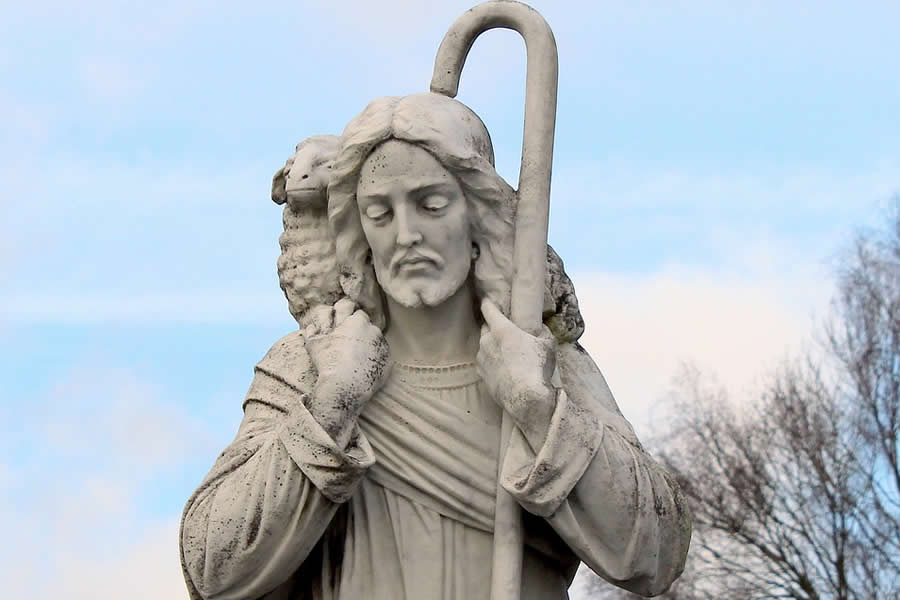
The Shepard King
11-22-2020Weekly ReflectionThe job of shepherd and the job of king couldn’t be more different from each other. Shepherds are on the lowest rung of society, kings are at the top. But God says, through the prophet Ezekiel, that the Messiah will lead in a way very different from earthly authorities who lord it over their people and cause harm with their poor leadership.
Our King takes on the job himself. Christ, like a shepherd, will give rest, seek out the lost, bring back the strayed and scattered ones. He will heal the wounded and bind up the injured. He does not delegate, but will “shepherd them rightly.” We have a king who cares for us and who is not afraid to “judge between one sheep and another” (Ezekiel 34:17).
Changes Our Lives
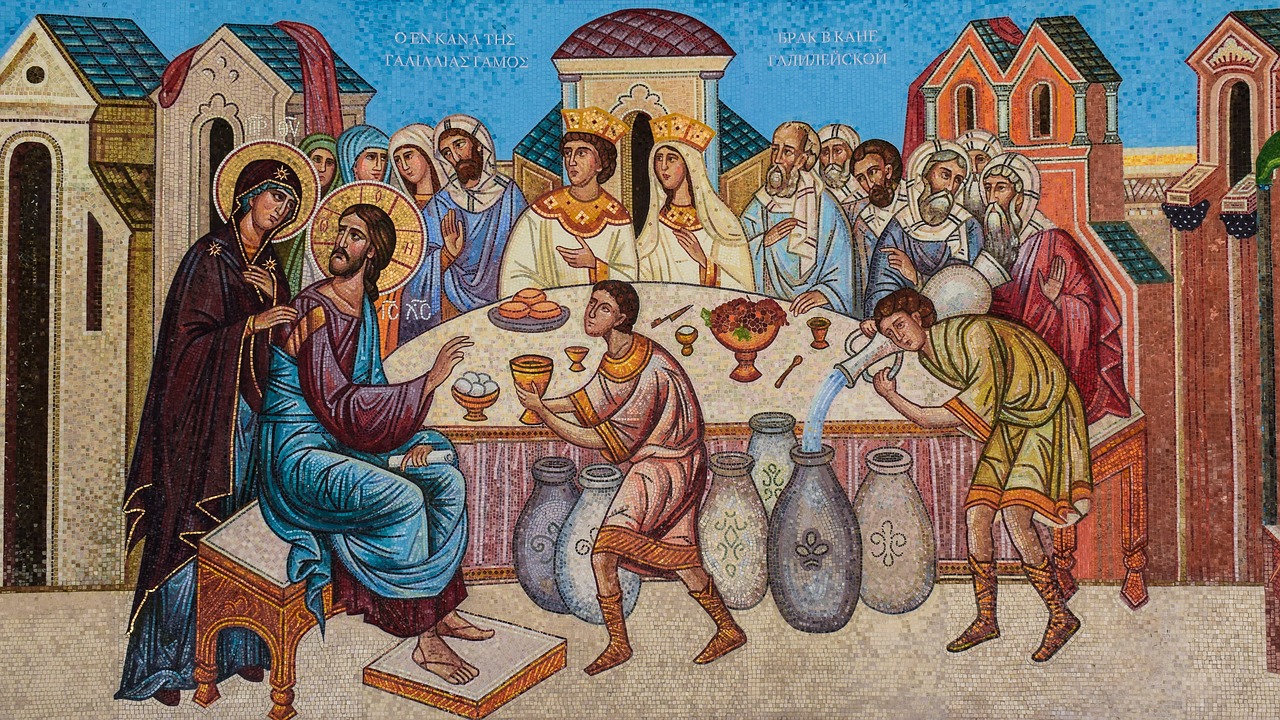
11-15-2020Weekly ReflectionThe letters of Paul to the Thessalonians are among his earliest writings, and are driven by his belief and the belief of the entire early Christian community that the return of Christ was imminent, and that devoting time or attention to anything else was foolish.
As time progressed, this fervor subsided a bit. Today we may wonder, when we hear these readings about the coming end-times, if we should take them to heart, if we really believe that Christ still may come upon us as a “thief at night” (1 Thessalonians 5:2). Does this mean that we are to stop our long-range goal-setting, get rid of our yearly calendars and planners, or stop putting money in the college education fund? Of course not. What it does mean is that we need to change our lives, living like children of the light and illuminating the world around us with the light of the gospel. Then, on that day, when the details of our daily living become unimportant, we will be ready to find our peace and security in Christ Jesus.
Expecting the Unexpected
11-08-2020Weekly ReflectionIf it ever crossed your mind that Jesus was somewhat lacking in a sense of humor, today’s Gospel should belie any such notion. Jesus’ story of the five wise and five foolish bridesmaids is downright hilarious. The circumstances of the story were surely familiar to Jesus’ listeners, just as they are—if we think about it—to us. Weddings never, ever start on time. There’s always a delay. Buttons pop off at the last minute. Flowers wilt. Cars full of wedding guests get caught in traffic. Soloists contract laryngitis. Brides or grooms or priests show up late! So the only reasonable way to approach a wedding is with a sense of humor, to realize that something probably will go awry, and, when that happens, to smile about it.
READ MORE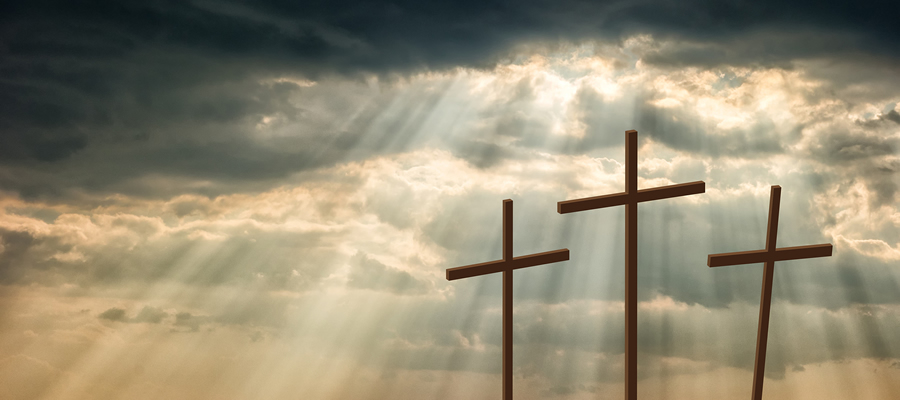
Our Hope and God's Promise
11-01-2020Weekly ReflectionThe Church uses these waning November days and darker skies as the season to remind us of the last things. Today’s feast, the Solemnity of All Saints, is the centerpiece of three days that point to doctrines we proclaim each time we say the Apostles’ Creed: “We believe in the holy catholic Church, the communion of saints, the forgiveness of sins, the resurrection of the body and life everlasting.” And while the days and our hearts may be dark, the readings today are bright with the light of faith. John’s vision in the book of Revelation reveals dazzling angels and white-robed saints gathered in triumph around the throne of God. In the responsorial psalm we sing our longing to see God’s face, and in the second reading John writes that we are God’s children and will, in fact, see God “as he is” (1 John 3:2). This is our hope. This is God’s promise. Today we celebrate the triumph of those who already gaze on the face of God. Tomorrow we cry out for mercy with those in purgatory, who, like us on earth, still long to see God’s face.