Difficulty, Survival, and Glory
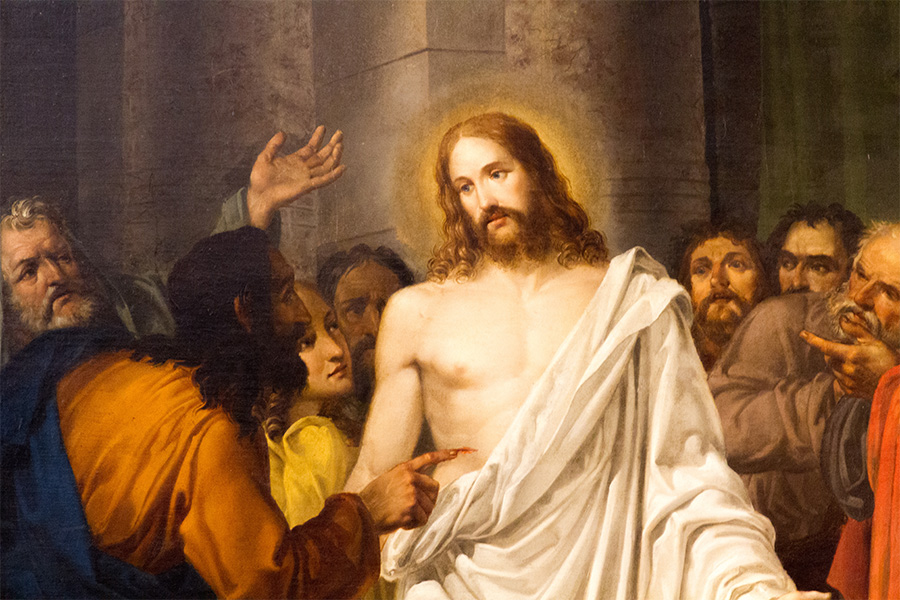
04-22-2022Weekly Reflection© J. S. Paluch CompanyIn Revelation, John the Evangelist tells us what we can expect as followers of the risen Jesus: distress, endurance, and a kingdom. Although we are only eight days into our fifty day Easter feasting, we cannot ignore the distress weighing down our daily lives. Jesus’ resurrection does not erase individual suffering, but his glorious triumph over death cultivates endurance in our hearts. We remember that Jesus did not spare himself, and we ask for the strength to endure as he did. Imitating Christ helps us grow as members of God’s royal family. As beloved citizens of the Kingdom of God, we recognize our kinship with all people. Peter demonstrates his care for others as he heals multitudes of broken, suffering people. In the Gospel, Thomas accepts his own spiritual healing when Jesus helps him to believe. In times of difficulty, survival, and glory, we borrow Thomas’ declaration of faith: “My Lord and my God!”

Everything is Changed
04-14-2022Weekly Reflection© J. S. Paluch CompanyEaster changes everything. Having been raised from the dead, Jesus shatters the frightful images that haunt humanity. Betrayal, torture, crucifixion, death, burial—these ter-rors pale in the brilliant glory of Jesus resur-rected. Today’s psalm guides our response to God’s power: “it is wonderful in our eyes.” To-day is indeed a day for wonder, for gasping in astonishment at Jesus’ resurrection. For all of human history, death had been final. In the Acts of the Apostles, though, Peter testifies that Jesus, who was publicly executed, was raised to life by God. John’s Gospel admits that the disciples “did not yet understand the Scripture that he had to rise from the dead.” Even Jesus’ closest friends were not expect-ing this innovation: life after death. In re-sponse to the Easter miracle, Paul tells us to become “a fresh batch of dough.” Everything, even our very selves, must become new. Easter changes everything.
The Message Of Christ’s Love
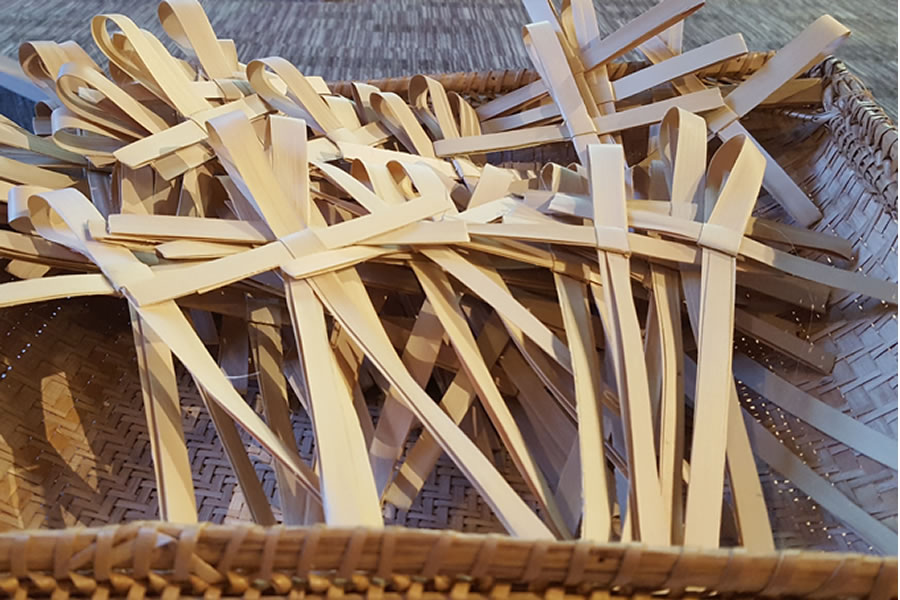
04-10-2022Weekly Reflection© J. S. Paluch CompanyFrom the proclamation of the Gospel at the beginning of the liturgy, we know that today is different, not only because we hear two Gospel passages, or because we hold palms and move in procession. Today begins Holy Week, a time set apart, a week in which to listen, pray, reflect, and take to heart the truth of Christ’s passion, crucifixion, death, and ultimately, resurrection. It takes a week, and a lifetime, to truly hear the message of Christ’s love. It is difficult for us to comprehend that Jesus willingly sacrificed himself, so we must hear the story again and again. Let this week be for us a new moment of faith in which we, together with the criminal who was crucified with Christ, cry out, “Jesus, remember me when you come into your kingdom.”

Something New in Christ
04-03-2022Weekly Reflection© J. S. Paluch CompanyJesus knew that the scribes and Pharisees were trying to trap him. They put him in what seemed to be a no-win situation. Let the woman who was caught in adultery go, and he would have been accused of ignoring the law. Let her be stoned, and he would fail to show mercy toward her, contradicting his life’s message. Jesus’ response teaches three crucial lessons: none of us is free of sin; we are not the ultimate judges of others; Jesus is the mercy of God, in whom we can always trust. In Christ, God does something new. When we give our hearts to Christ, we have the hope of new life, a life in which mercy reigns.
Lost and Found
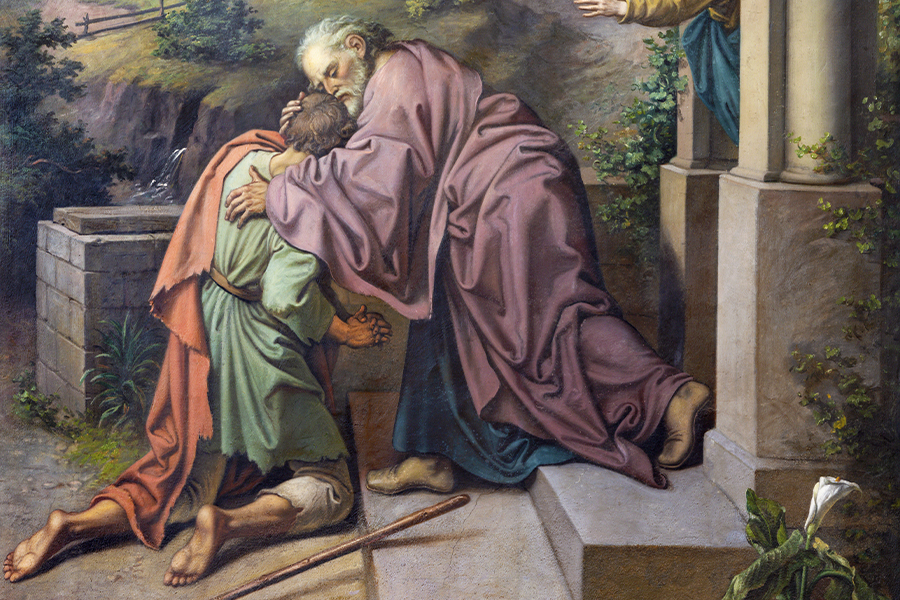
03-27-2022Weekly Reflection© J. S. Paluch CompanyThe parable of the father and his sons is one of the most familiar of all of Jesus’ stories. The father in the parable is lavish in forgiveness and revels in the return of his young son, who was lost and now is found. The older son is also lost, lost in his refusal to forgive, lost in his failure to grasp his father’s generous spirit. The Israelites spent many years lost in the desert, seeking the land of milk and honey, yet often failing to seek the God who delivered and fed them. We are sometimes lost as well. We lose sight of the Lord and the Lord’s ways. God never loses sight of us, however. God waits, ready for us to come to our senses, ready to welcome us back with open arms.

Holy Ground
03-20-2022Weekly Reflection© J. S. Paluch CompanyMoses met God in a most astounding way in the bush that was burning but not consumed by fire. Moses clearly had a powerful encounter with the Lord. He even felt bold enough to ask God’s name, something unheard of among his people at the time—God’s name was unspeakable. Moses stood on holy ground. Do we not also stand on holy ground? As people who are created in God’s image and drawn to Christ through the waters of Baptism, we have been filled with God’s grace and goodness. The ground of our lives is holy. Lent is a time when we are called to open our minds and hearts to Christ, rely on God’s patient mercy, and to grow as God’s holy people.

A Glimpse of God
03-13-2022Weekly Reflection© J. S. Paluch CompanyHave you ever had a glimpse of God? Perhaps you perceived God’s presence in a quiet moment of prayer, a tender conversation with a loved one, or a difficult situation that was resolved unexpectedly.
READ MORE
In The Desert
03-06-2022Weekly Reflection© J. S. Paluch CompanyJesus was led by the Spirit into the desert for forty days, and then the devil tested him. Moses and the Israelites had been in the desert for forty years before being led to the land of milk and honey. There were times when they called out to God, sure that, as Saint Paul wrote to the Romans, “everyone who calls on the name of the Lord will be saved.”
READ MORE
We are Known by Our Fruit
02-27-2022Weekly Reflection© J. S. Paluch CompanyThis week, Jesus tells us that we must examine our own inner selves, our attitudes and dispositions, virtues and faults, rather than judging others. What is in our hearts comes out in what and how we speak.
If our hearts are filled with kindness and compassion, those qualities will be evident in our speaking, just as beautiful, wholesome fruit comes only from healthy trees. And vice-versa. The Wisdom writer Sirach in the first reading agrees with this concept, that we will be judged by our words. Paul reminds us that the reward of discipleship is eternal life. Today’s psalm of thanksgiving and praise reminds us of God’s kindness and faithfulness, which we are to emulate in our thoughts, words, and deeds. We are known, each of us, by our own fruit.

Love as God Loves
02-20-2022Weekly Reflection© J. S. Paluch CompanyOur Gospel today continues Jesus’ Sermon on the Plain, in which we heard Luke’s version of the Beatitudes. This week, Jesus gives us new “commandments,” telling us how to live and act in the world as his disciples, rooted in the radical love of God for humanity. It reminds us of his later speech about loving one another as he loves us, in other words with a God-like love, the kind we see in today’s psalm about God’s mercy. How else could we do as Jesus tells us by loving our enemies, which seems impossible, until we remember that God gave us the example of Jesus, who is like God but also like us? David understands this merciful love when he spares the life of his enemy in the first reading. Finally, Paul tells us that we will become like Jesus if we act as he did, as God does.

Feeling Blessed
02-13-2022Weekly Reflection© J. S. Paluch CompanyCongratulations! Welcome to the Kingdom!Rejoice and leap for joy! Sounds a little like Easter,doesn’t it? Well, in a very real way, it is. ThisSunday, the scriptures remind us that we areblessed and beloved, especially when we have difficultiesand don’t feel especially blessed. Jesusreminds us that God blesses us in our trials, so weshould trust in the saving power of God. We are“raised from the dead,” as it were, each time wearise from our hardships.
READ MORE
Theophanes
02-06-2022Weekly Reflection© J. S. Paluch CompanyToday’s readings recount three theophanies, or particular manifestations of God’s presence. The prophet Isaiah is caught up in a dramatic scene of heavenly worship, with a royal throne, burning embers, and seraphim singing, “Holy, holy, holy.” Isaiah is overwhelmed. In the responsorial psalm, the assembly adds its own worship to that of the seraphim: “In the sight of the angels, I will sing your praises, Lord” (Psalm 138:1).
READ MORE