One Lord, One Faith
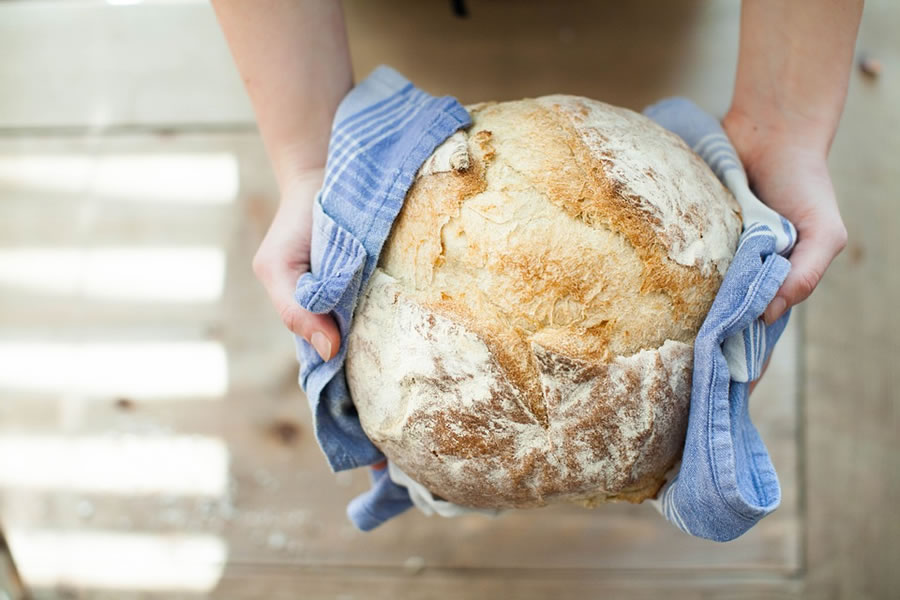
07-25-2021Weekly Reflection© J. S. Paluch CompanyDo you suppose the authors of the four Gospels were aware of today’s first reading from the second book of Kings? Of course they were. The prophet Elisha fed a hundred men with twenty barley loaves in order to prove God’s power. This same miracle, now multiplied by more people fed by fewer loaves, is attributed to Jesus in all four Gospels.
READ MORE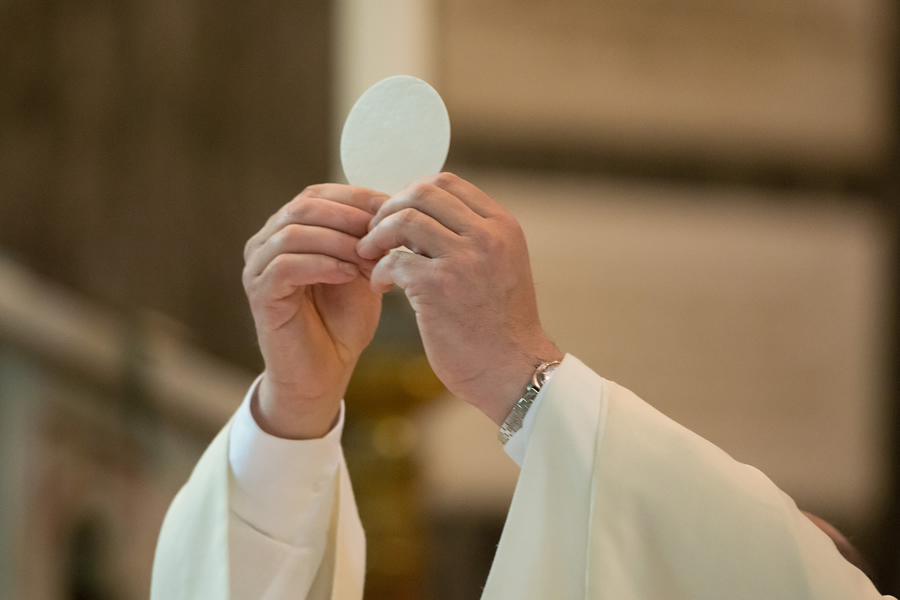
Feast of Faith: The Prayer Over the Offerings
07-18-2021Weekly Reflection© J. S. Paluch CompanyIn the liturgy of the 1570 Missal, this prayer was called the “secret” prayer. It was “secret” not because its content was mysterious, but because it was prayed in silence by the priest, who only recited the conclusion aloud: ...per omnia saecula saeculorum. With the reforms of the Second Vatican Council, we again hear these rich prayers spoken aloud. They remind us to prepare ourselves for what is to happen in the Eucharistic Prayer, for it is not only the bread and wine that will be transformed.
READ MORE
God Chose Us
07-11-2021Weekly Reflection© J. S. Paluch CompanyWho chose first, God or you? That is the question explored in today’s three readings. The second reading, from Paul’s Letter to the Ephesians, reads almost like a hymn. It praises God for choosing us, for calling us to serve, and for blessing us in our service. Paul makes it clear how honored we are and how special is the call to live as children of God. This is through no doing of our own.
READ MORE
No Bad News
07-04-2021Weekly Reflection© J. S. Paluch CompanyThere are many times when we say, “Tell me what I want to hear, and don’t confuse me with facts.” And we don’t take kindly to someone who might be bold enough to snuff out our expectations.
READ MORE
Jesus' Example of Helping Others
06-27-2021Weekly Reflection© J. S. Paluch CompanyIn today’s second reading Paul offers a wonderful argument to his converts at Corinth for seeking to help those in need. He is dealing with a practical problem, arranging a collection for the poor of the church of Jerusalem; but as he often does, he develops an important teaching about Jesus to make his point.
READ MORE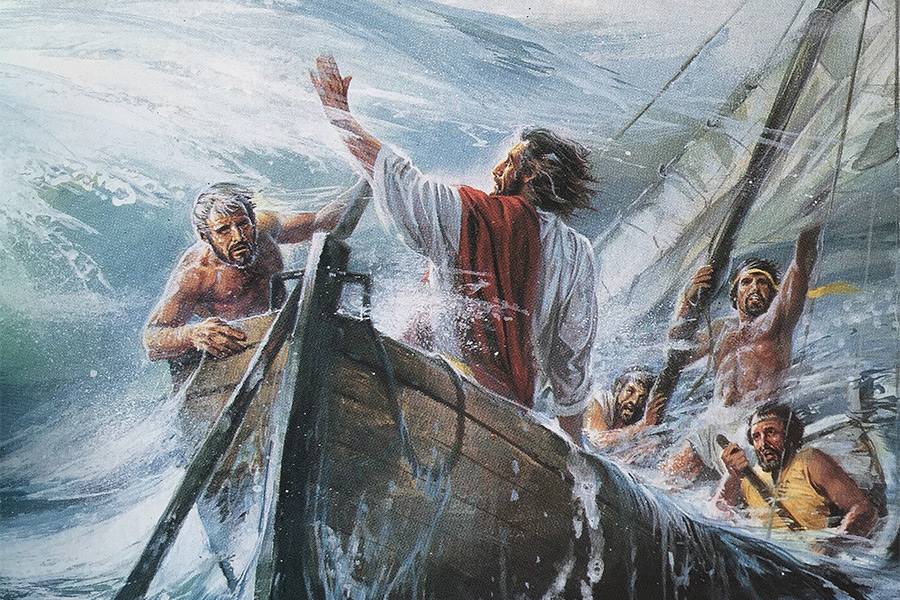
The Wind and the Sea
06-20-2021Weekly Reflection© J. S. Paluch CompanyLiving along the shores of Lake Superior—the “big lake,” as the locals call it—you can often hear the advice, “Respect the lake; don’t take it for granted.” People who know Lake Superior respect its power and watch out for its many moods. Sunken ships and boats crushed into kindling are testimonies to what the lake can do.
READ MORE
God's Time
06-13-2021Weekly Reflection© J. S. Paluch CompanyWe either pay attention to or ignore “clock time” as we play in the summer sun and note the earth’s tilt and the lengthening days. We live by time. We reckon time in seconds and minutes and hours, or we use broader chunks like suppertime and summertime.
READ MORE
Sacrifice
06-06-2021Weekly Reflection© J. S. Paluch CompanyToday the Church focuses on the Eucharist. Today’s readings remind us how connected to ancient blood sacrifices we are when offering our unbloody sacrifice. The reading from Exodus describes a solemn ritual designed so the Israelites would never forget their covenant with God. The reading from the Letter to the Hebrews turns us from those ancient animal sacrifices, the first efforts to worship the living God. Our sacrifice is the body and blood of the Son of God. Because of Christ we have a new covenant.
READ MORE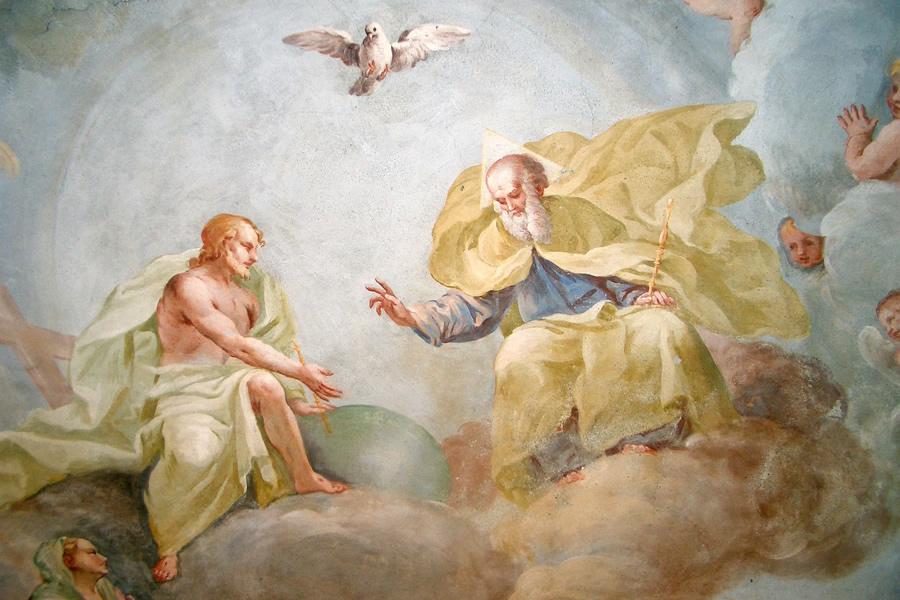
The Mystery of the Blessed Trinity
05-30-2021Weekly Reflection© J. S. Paluch CompanyToday we celebrate the solemnity of the Most Holy Trinity. The Church sets aside this Sunday to focus our attention on the mystery of the Blessed Trinity, God who is one, but three persons—Father, Son, and Holy Spirit.
READ MORE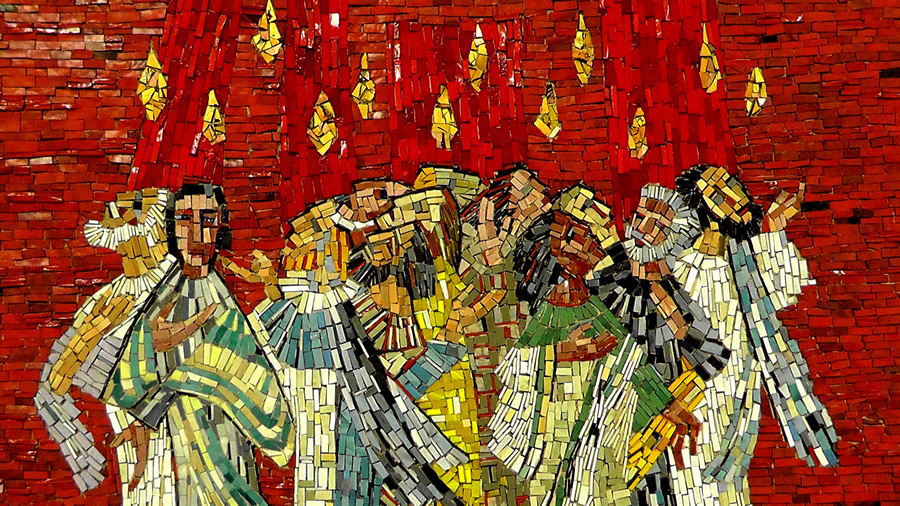
Lord, Send Out Your Spirit
05-23-2021Weekly Reflection© J. S. Paluch CompanyIn today’s responsorial psalm the Church sings out: “Lord, send out your Spirit, and renew the face of the earth.” All three readings describe how God has answered that prayer already.
READ MORE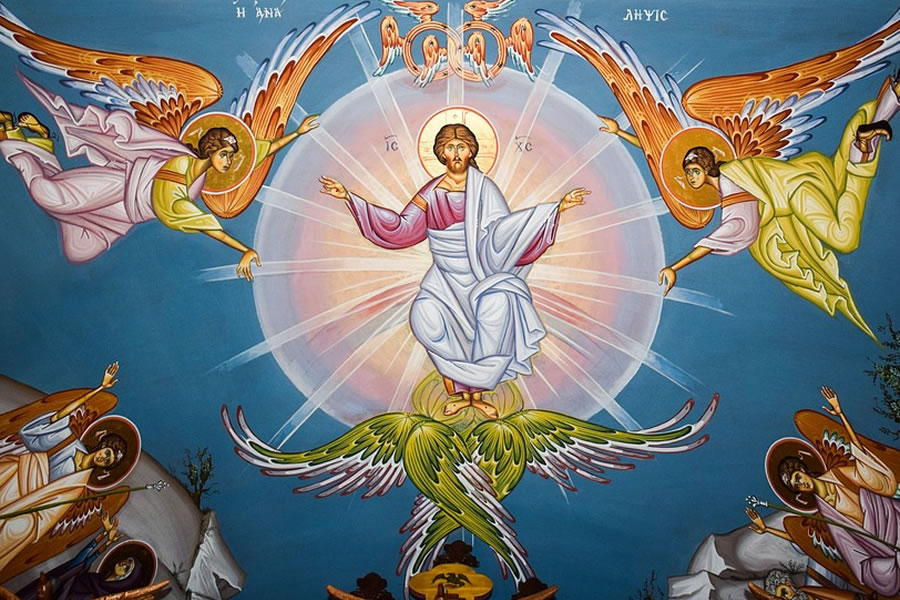
The Significance of the Ascension
05-16-2021Weekly Reflection© J. S. Paluch Companyporal experience of the early community, made it seem that Jesus’ resurrection and his ascension were inseparable aspects of a single mystery. Only in the later writings of Luke and John has further theological reflection helped the Christian community to distinguish different dimensions of the mystery. Liturgical tradition has followed the forty-day chronology formulated by Luke. We would miss the point, however, if we were to demand a precise historical chronology of events such as the Resurrection-Ascension that are primarily spiritual in nature and that clearly surpass the bounds of time and space as we know them.
READ MORE
The Presence of the Holy Spirit
05-09-2021Weekly Reflection© J. S. Paluch CompanyWe have a unique episode in the Acts of the Apostles today. A whole roomful of people are baptized with the Holy Spirit before they are baptized with water! The verb used—“the Holy Spirit ‘fell’ on them” (Acts 10:44)—is characteristic of the way the Spirit works throughout the book of Acts: powerful and surprising. Though this “baptism” is not the normative way the New Testament describes baptism, it is still a good reminder today that the Holy Spirit is not controlled by whether or not we pour water, but rather that our sacramental signs reveal the presence of the Spirit at work among us.
READ MORE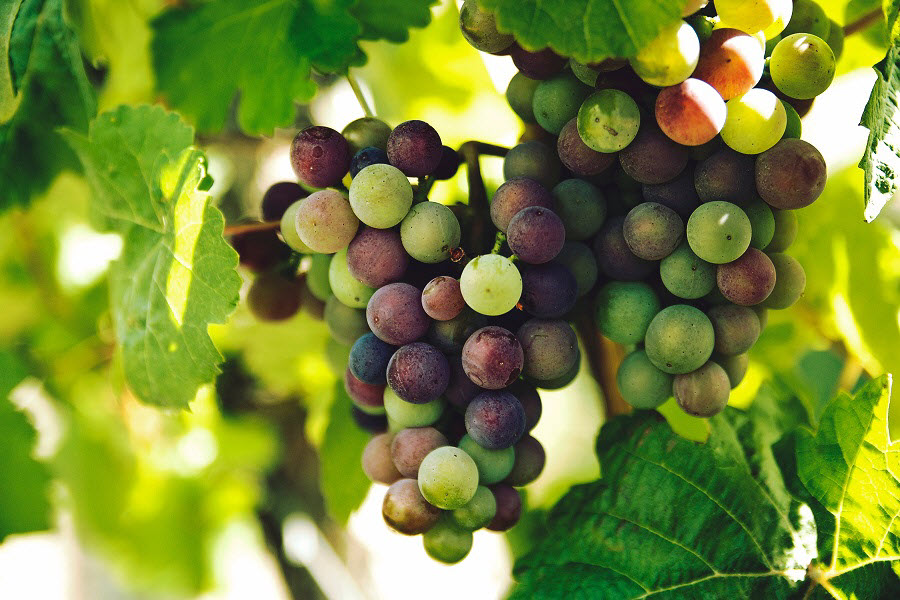
Bearing Fruit
05-02-2021Weekly Reflection© J. S. Paluch CompanyFew of us, even when we meditate on the image of the vine and branches, stop to really think about how God “prunes” us. For some there is the danger of thinking that we are already producing fruit for the kingdom, in deed and truth as John says, perhaps raising a family, being active in our parish, and so on. But even those branches which are bearing fruit, the Gospel tells us, can be pruned to produce still more.
READ MORE