
The People of God's Kingdom
01-29-2023Weekly Reflection© J. S. Paluch CompanyIn our Gospel reading from Matthew, we hear the Beatitudes, the stirring opening to the Sermon on the Mount. Jesus is proclaiming the coming of the kingdom of God, and begins by considering what kind of people will enter and participate in this kingdom. They are the poor in spirit, the meek, the clean of heart, the peacemakers. We hear both Zephaniah and Paul echo this, as God specifically chooses the weak and the lowly to be God’s agents in ushering in the reign of God. By living with hu-mility and integrity, their hearts are open to being transformed by the grace of God. We too are called to live in this way. Jesus invites us to be people with open hearts, to receive God’s blessing. And working through us, God may bless all of creation.

Our Fascinating Faith, Ordinary Time
01-22-2023Weekly Reflection© J. S. Paluch CompanyBetween the end of the Christmas season and the start of Lent, the liturgical year begins a period known as Ordinary Time. That season is interrupted by the seasons of Lent and Easter, and then resumes again after Pentecost. The English translation of the Latin name for this season has received much criticism because of our association of the word “ordinary” with something of lesser value, the opposite of something special. Critics point out that Sunday is the original feast day of the Church, that there is nothing at all “ordinary” about our weekly celebration of the Lord’s dying and rising. Translators explain that in this context the English word “ordinary” retains the root meaning of “ordinal,” something counted “in order,” and that the Sundays throughout the year are in fact named by their numerical order.
It is helpful to understand how all five of the “special” seasons of the liturgical year (Advent, Christmas, Ordinary Time, Lent, Easter) fit together to unfold the single mystery of Christ. As we continue the year now with Ordinary Time, we are mindful that what we celebrate is indeed as “extraordinary” an experience of God’s grace as one could ever imagine.
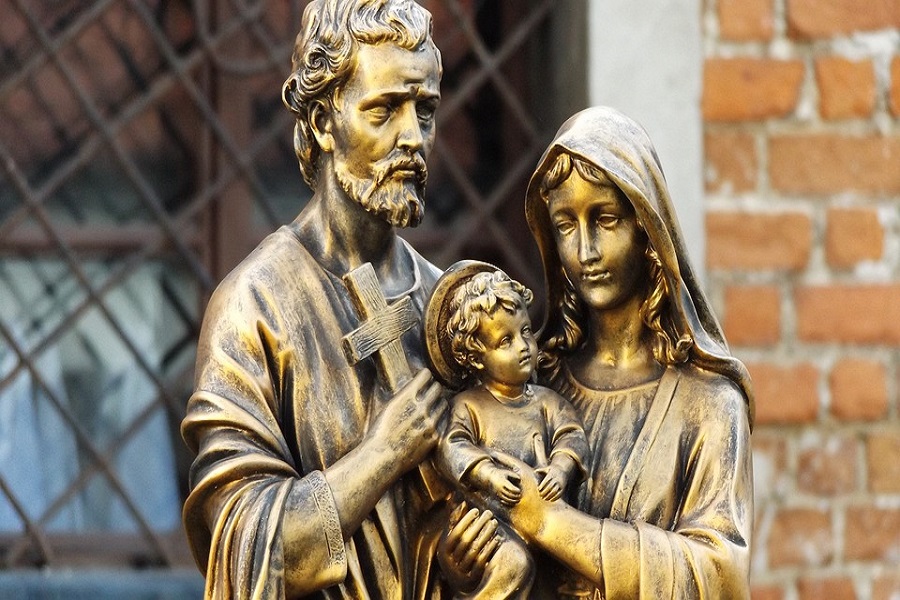
All Share in the Promise
01-08-2023Weekly Reflection© J. S. Paluch CompanyPicture a nativity scene in your mind’s eye. The scene likely includes figures arriving on camels, some elaborately dressed, with jeweled boxes containing precious gifts. These magi arrived from distant lands to pay homage to the Christ Child. We know little about the magi, but we do know that these visitors were not Jews. They represent people of all nations who will be drawn to the Lord. “Nations shall walk by your light, and kings by your shining radiance.” The Good News of Jesus cannot be limited to one people; all share in the promise of God’s mercy through our Lord Jesus Christ.
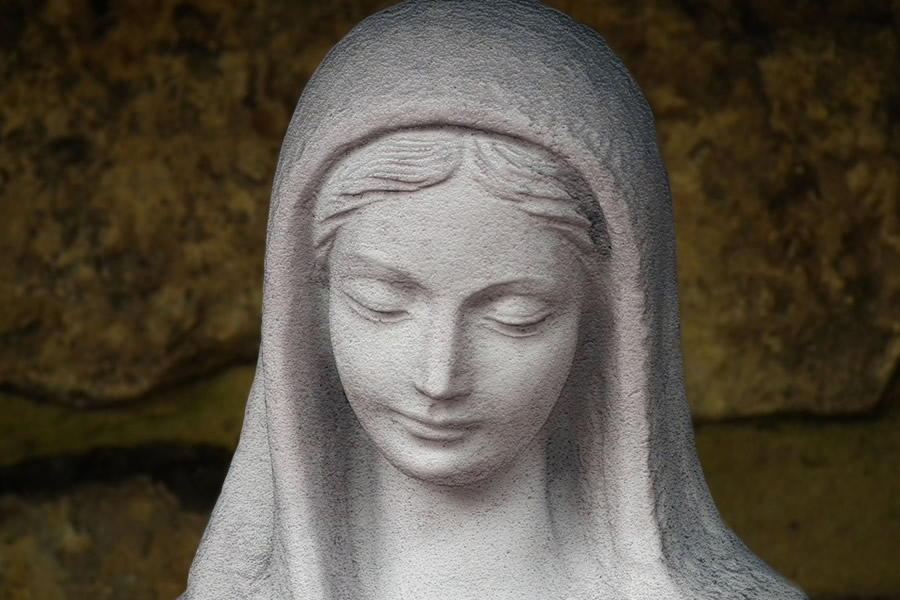
Blessings
01-01-2023Weekly Reflection© J. S. Paluch CompanyToday’s readings include another account of the story of Jesus’ birth. The reading from the book of Numbers reminds us that we are blessed. We are looked upon with kindness and grace. The psalm and Galatians remind us of the blessings given through God’s Son. Luke tells of our ultimate blessing, that Mary, a human being like us, gave birth to a child who is God’s Son. Mary, a young mother, watches all that is happening around the birth of her son. She listens as the shepherds bring messages from angels, a message she also received from an angel, about her son. Yet Mary remains silent. She keeps all this news about her son to herself. She reflects on all these experiences. The only thing she shares is the name of her son, Jesus, a name given him before he was even conceived. Her silence leaves us wondering if this is how one responds to such a great blessing.
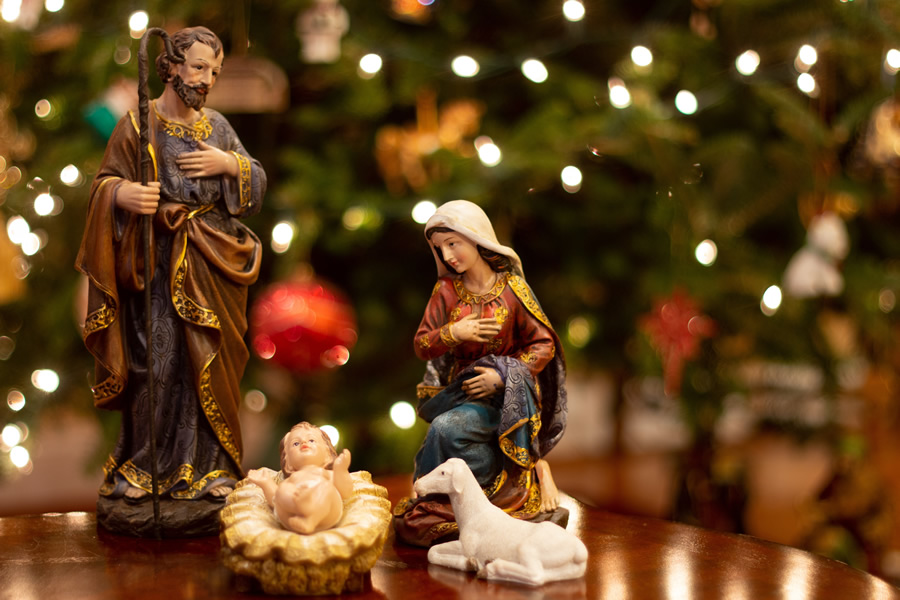
What All the Waiting Has Been For
12-25-2022Weekly Reflection© J. S. Paluch Company
God Wants to be One With Us
12-18-2022Weekly Reflection© J. S. Paluch CompanyWhat great lengths God will go to in loving and saving us! Think of the most outlandish circumstance you might conceive. That seems to be what the Lord is saying to Ahaz in today’s first reading. “A virgin shall conceive, and bear a son, and shall name him Emmanuel.” Not only is the idea of a virgin conceiving beyond comprehension in Ahaz’s time, so would the concept of God wanting to be with us be, as the name Emmanuel indicates. And yet, this is what we celebrate in the Incarnation - God wants so completely to be one with us that God came to be with us in a son born to a virgin, the Blessed Virgin Mary. There is more to this story than even these amazing and outlandish occurrences, however. God wants to be one with us so deeply that God partners with us to make God’s presence known.What great lengths God will go to in loving and saving us! Think of the most outlandish circumstance you might conceive. That seems to be what the Lord is saying to Ahaz in today’s first reading. “A virgin shall conceive, and bear a son, and shall name him Emmanuel.” Not only is the idea of a virgin conceiving beyond comprehen-sion in Ahaz’s time, so would the concept of God wanting to be with us be, as the name Emmanuel indicates. And yet, this is what we celebrate in the Incarnation - God wants so completely to be one with us that God came to be with us in a son born to a virgin, the Blessed Virgin Mary. There is more to this story than even these amazing and outlandish occurrences, however. God wants to be one with us so deeply that God partners with us to make God’s presence known.
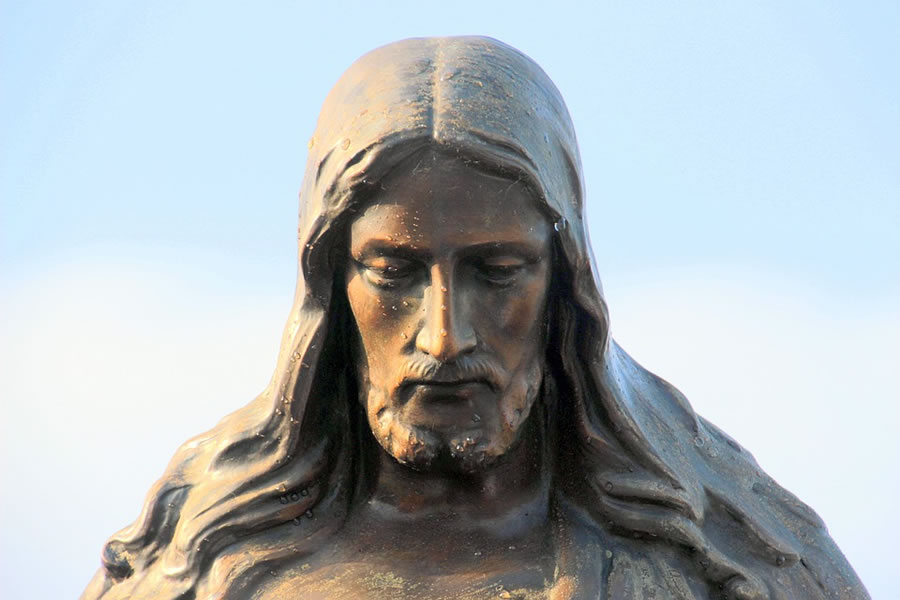
The One Whose Our Hearts Long
12-11-2022Weekly Reflection© J. S. Paluch CompanyPut yourself in the scene of today’s Gospel passage. John the Baptist is in prison. He has heard stories of what Jesus is doing, and wants reassurance that Jesus is the long-awaited Messiah. John’s disciples and those who surrounded Jesus were faithful Jews who would have known Isaiah’s prophecies by heart. God would send One who would bring sight to the blind, healing to those who were ill, salvation to all who longed to know God’s mercy and peace. Jesus’ response to the disciples’ question rings as powerfully in our ears today as it surely did for the people who were with him that day. His actions are precisely those that the people had been told to expect. Jesus is the One for whom the people have been patiently yet anxiously waiting, like the farmer who waits for the fruits of his labor. Jesus is the One for whom our hearts long.
Harmony
12-04-2022Weekly Reflection© J. S. Paluch CompanyHave you ever known a moment when, just for a brief instant, you felt that all was right with the world? It is just such a moment, stretched into eternity, that the writer of Isaiah describes in today’s first reading: the perfection of everything, centered in God’s spirit, where knowledge, justice, and awe in God’s presence reign. In such a paradise, everyone sees eye to eye and thinks in harmony with each other, as Saint Paul describes in his letter to the Romans. Even animals with a natural animosity toward one another coexist peacefully. John the Baptist understood that such harmonious relationships do not simply happen. They are the fruit of living in right relationship with God and others.

People of Light
11-27-2022Weekly Reflection© J. S. Paluch CompanyWe are called to reflect the light of God’s love through the ways in which we live our lives. Imagine the impact if each of us took this call to heart, every day, at home, work, or school, in our parish, in the world. “All nations shall stream toward it,” toward the love that only comes from God. Yet, we must admit that much of the time we fail to be beacons of God’s light. We fall asleep, complacent, preferring to go the easy route, which often leads to darkness rather than the radiance of Christ’s light. As we begin the season of Advent, Saint Paul admonishes us to throw off the works of darkness, to awaken to the call of light and love. In today’s Gospel, Jesus too tells us to stay awake, to be prepared to greet the Lord of light as people of the light.
The True Kingship of Jesus Christ
11-20-2022Weekly Reflection© J. S. Paluch CompanyWhat kind of King is Jesus? How do you envision him? Remembering that they were promised a king from the line of David, the Israelites hoped for a Messiah who would set their political problems aright and bring about a worldly kingdom of Judaic power. Even Psalm 122 seems to describe this type of ruler. Luke’s Gospel today shreds that image after the whip of the Roman soldiers tore at Jesus’ flesh. Still, the Romans flaunted the traditional notion with their ironic inscription above King Jesus’ crown of thorns. Soldiers and ordinary people jeered the royal title at him. Yet the throne of Jesus was the cross of Christ, from which he dispensed kingly mercy and justice toward the humble criminal who shared his execution. Writing to the Colossians, Saint Paul describes the truth about Jesus and his kingship, using words like fullness, peace, and forgiveness. So let us go rejoicing!

The End of Days
11-13-2022Weekly Reflection© J. S. Paluch CompanyAs we prepare for next Sunday’s feast of Our Lord Jesus Christ, King of the Universe, we hear descriptions of dire and catastrophic events. Sometimes it seems as though we ourselves are living in the end times, when life as we currently know it will cease for everyone. In answer to what must have been a fearful question, Jesus does not sugarcoat his foretelling of future days. Nor does the Old Testament prophet Malachi flinch from his pronouncements upon an evil world. Saint Paul, still writing to the Thessalonians, warns them prophetically against succumbing to “The End Is Near” syndrome--indolence in the face of the final days. However, both Jesus and Malachi speak of the recompense for living a just life--healing and vindication. Our Psalm 98, typically associated with Christmastime, helps us to rejoice for the King who is coming to rule with justice.
Eternal Life
11-06-2022Weekly Reflection© J. S. Paluch CompanyWhat happens after we die? Most religions and philosophies provide some notion of this, but we are confounded by the mystery of it all. Today’s readings give us a glimpse through the faith of martyrs and in the words of Jesus. In the Old Testament reading, the Maccabee brothers assert with total confidence that the God who gave them life would also raise them to eternal life. This was not universally accepted in ancient Israel. The Sadducees, who denied any resurrection of the dead, try to trap Jesus with a hypothetical riddle. Jesus, known for turning such things around, dismisses their unbelief, noting that even Moses knew that all are alive in God. Saint Paul tells the Thessalonians that we live in everlasting encouragement and hope, and Psalm 17 echoes this with words of faith that we will see God’s face, waking in God’s loving presence.